
Venjakob Environmental Technology
High-quality exhaust air with low energy consumption
Regenerative thermal oxidation systems, or RTOs for short, are regarded as particularly energy-efficient whilst delivering high purification performance. For Dirk Jackisch, Managing Director of Venjakob Umwelttechnik in Sarstedt, they are currently among the most sought-after systems for exhaust air purification. Below, he explains the strengths and limitations of RTOs and why they also play an important role in the conversion of biogas to biomethane.
Industrial plants and operators of biogas plants must treat their exhaust air in such a way as to comply with the applicable emission limits. Various post-combustion processes are available for this purpose. The choice of technology depends on the constituents, the pollutant concentration and the operating conditions. Venjakob Umwelttechnik supplies incineration systems to companies across a range of sectors. Other typical areas of application include the industrial finishing and coatings industry, printing works and packaging manufacturers, as well as the automotive, timber, furniture, plastics, chemical and building materials industries.
Heat recovery is key
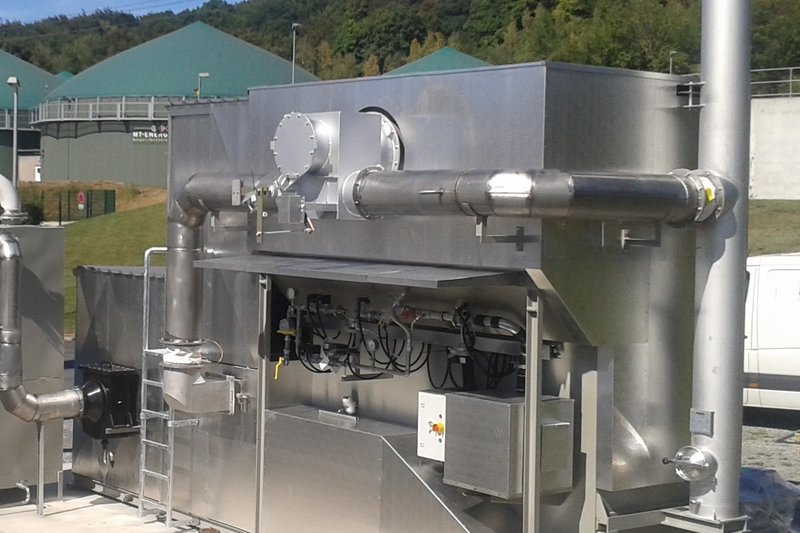
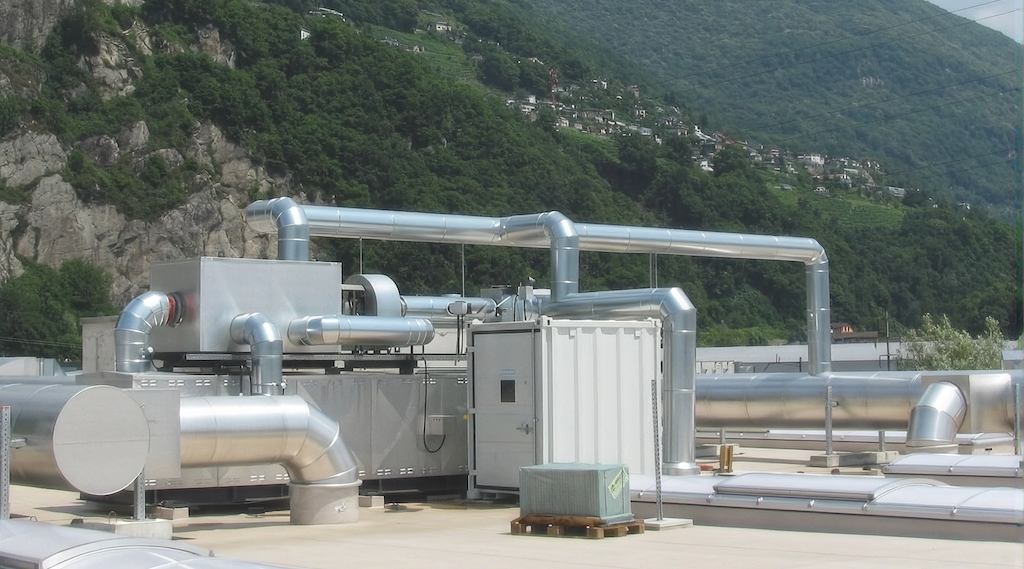
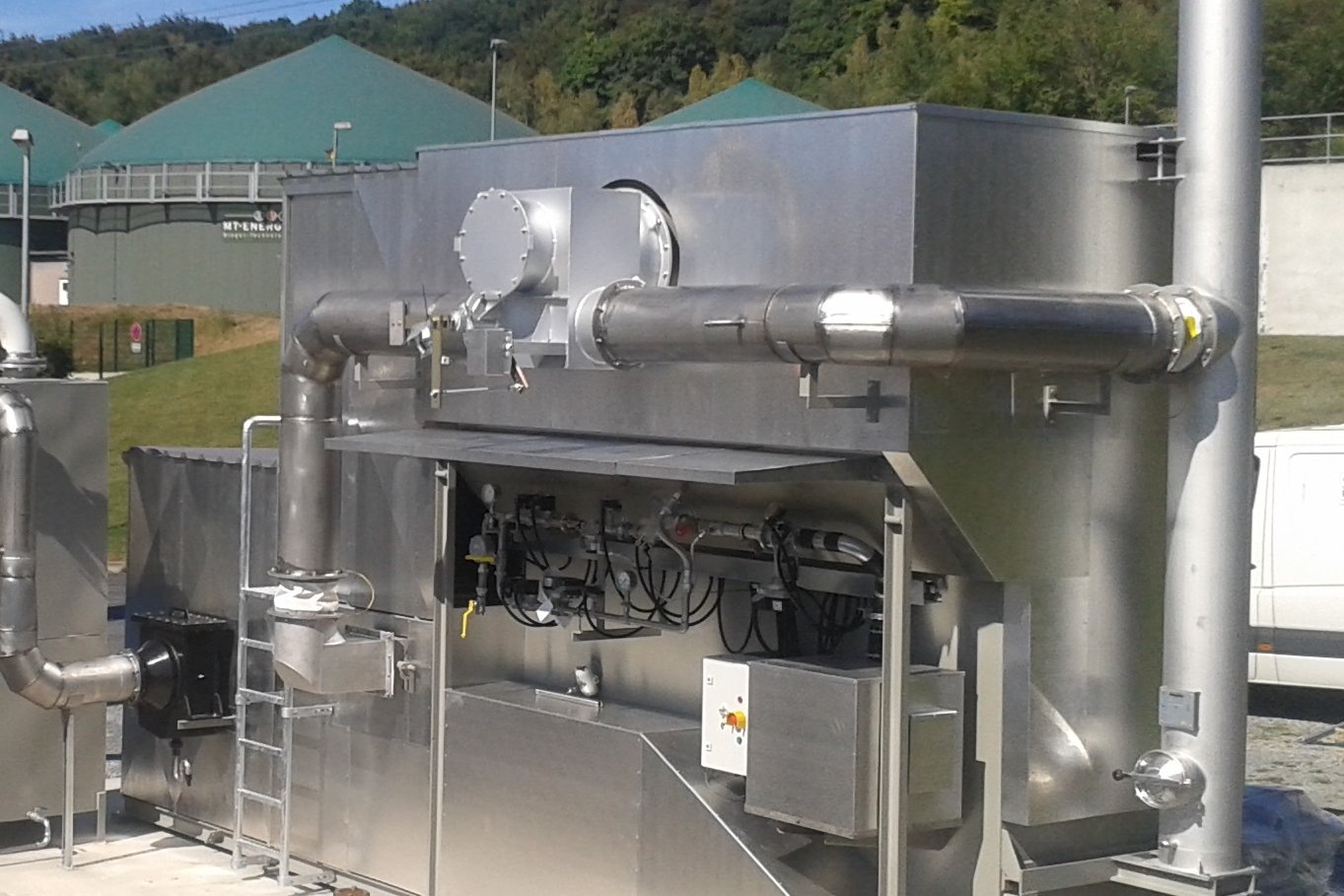
Incineration systems oxidise organic components in the exhaust air into carbon dioxide and water. Depending on the processes, this requires different temperatures. Conventional thermal incineration (TNV) operates at temperatures in excess of 760 degrees Celsius. In catalytic incineration (CPC), the temperature can be significantly lower, as the oxidation process using a catalyst requires temperatures of only 280 to 350 degrees Celsius. The RTO operates at between 830 and 850 degrees Celsius and is designed for high energy efficiency. How does this work? Ceramic storage media absorb the heat from the purified exhaust air and transfer it to the incoming raw air. “In this way, heat recovery rates of more than 95 per cent can be achieved. If the exhaust air contains sufficient combustible components, their oxidation provides the necessary energy. This means that, once the system has been heated up and provided the exhaust air has a sufficient concentration, it can operate with virtually no additional fuel,” explains Dirk Jackisch.
Every process has its merits
However, the RTO cannot exploit these advantages in every application. Dust, condensing or sticky components can place a strain on the ceramic heat storage elements. Furthermore, in the case of small exhaust air volumes, short operating times or frequent start-ups, the investment costs and the time required for preheating may argue against the processes. “The first step is always to analyse the exhaust air stream(s). Only once the volume, constituents and operating conditions are known can the technically and economically suitable processes be selected,” emphasises Jackisch. For example, whilst a TVN would require more fuel if lightly contaminated exhaust air has to be heated to high temperatures, it is robust in the face of varying constituents, fluctuating concentrations and particles. The KNV process, which operates at significantly lower temperatures, can be energy-efficient when the exhaust air has a consistent composition. The exhaust air treatment expert points out that certain constituents can damage the catalyst or impair its effectiveness.
Demand from biomethane processing
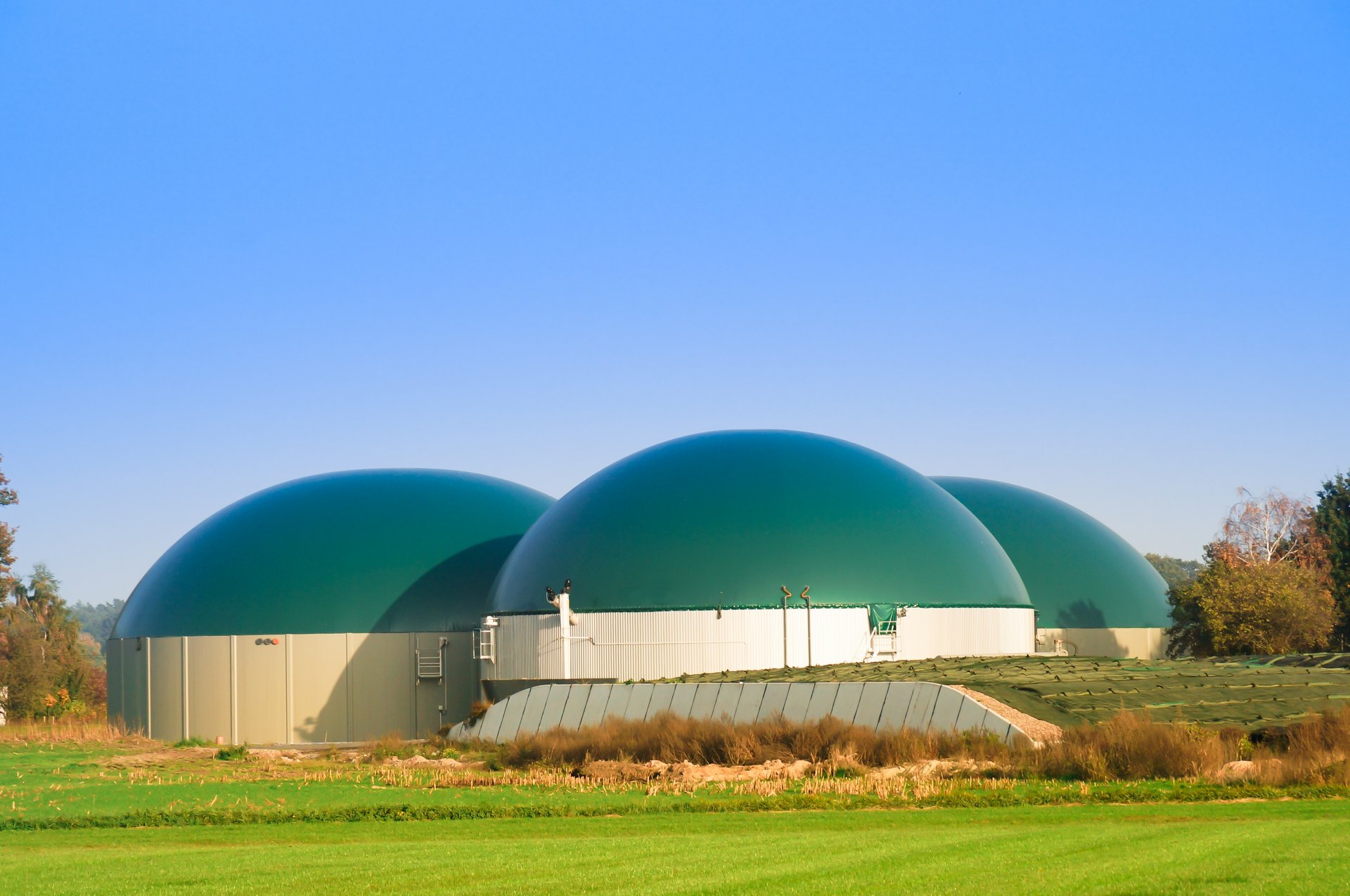
A growing area of application for RTO systems is the upgrading of biogas to biomethane. Consequently, the demand for technically reliable solutions for treating contaminated exhaust air and low-calorific gas streams is also increasing. Whilst the total number of biogas plants in Germany has largely stagnated for years, the number of plants converting biogas into biomethane is growing significantly, particularly at European level. According to figures from Gas Infrastructure Europe (GIE) and the European Biogas Association (EBA), the number of European biomethane plants has risen from 729 to 1,678 since 2020, representing growth of around 130 per cent.
Raw biogas consists mainly of methane and carbon dioxide and contains other associated substances. Before it can be fed into the gas network, it must be processed to meet the required gas quality standards. Depending on the treatment process used, the separation of carbon dioxide produces a residual or low-grade gas stream that may still contain methane. This so-called methane slip should be kept to a minimum, as methane is a particularly potent greenhouse gas. For the treatment of such low-concentration gas streams, the guide ‘Biogas Processing and Injection’ lists, amongst other methods, catalytic incineration, RTO and specialised low-concentration gas burners.
“We have already equipped a number of biogas plants with our systems. At present, however, we are seeing increased demand from the biomethane sector, which is certainly linked to the fact that renewable gas is set to replace fossil natural gas more and more frequently in future,” explains Jackisch. The European REPowerEU programme, for example, aims to massively increase biomethane production in order to reduce dependence on fossil natural gas imports. National funding programmes and feed-in schemes support this expansion.
“As methane is chemically very stable, the RTO must be specifically designed for this application. A sufficiently high temperature, a defined residence time and reliable mixing of the gas flow are required,” says Dirk Jackisch.
Safety even outside normal operating conditions
Whether an RTO operates continuously or is primarily on standby for specific operating conditions depends on the biomethane treatment plant in question. If residual gas containing methane is constantly produced during normal operation, it must be treated or recirculated on an ongoing basis. Other plants require the RTO primarily during start-up, shut-down, in the event of insufficient gas quality or during malfunctions.
“An RTO with few operating hours is not automatically underutilised. Its role may be to ensure compliance with emission limits precisely when the regular treatment process is deviated from,” explains Jackisch.
There is no general regulation stipulating that every biomethane plant must have an RTO. However, the operator must demonstrate how emission requirements are met even under non-standard operating conditions. The technical solution required for this is determined by the plant design and the relevant authorisation notice.
Practice is the deciding factor
The RTO impresses with its high heat recovery rate, but it is not a one-size-fits-all solution. The TNV scores highly for its robustness, whilst the KNV offers low reaction temperatures. Which technology operates most efficiently is therefore determined not solely by the processes themselves, but by their interaction with the actual exhaust air stream(s).
“The best system is the one that reliably purifies the exhaust air stream(s) on a continuous basis whilst requiring as little additional energy as possible throughout its operation,” summarises the Venjakob expert.