
Industrial robotics for surface technology
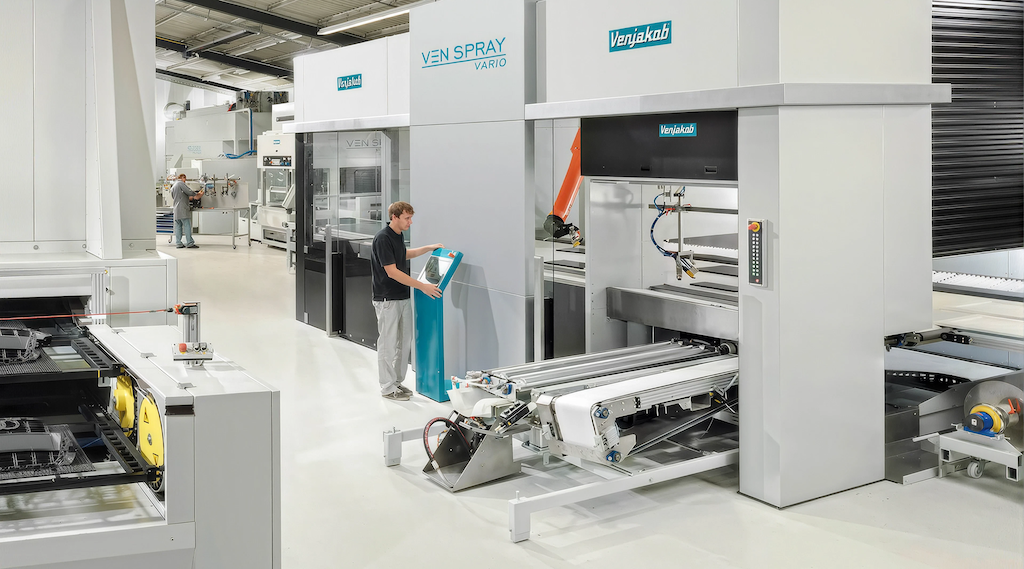
Industrial robotics supports three central tasks in surface technology: precise coating, precise material handling and controlled positioning for drying processes. At Venjakob, we integrate robotic solutions into existing systems on a modular basis in order to automate motion sequences, increase quality and make production processes more stable and efficient. The result is a powerful combination of modern industrial robotics and reliable machine technology.
Industrial robot VEN ROBOT
Demanding coating tasks with Venjakob
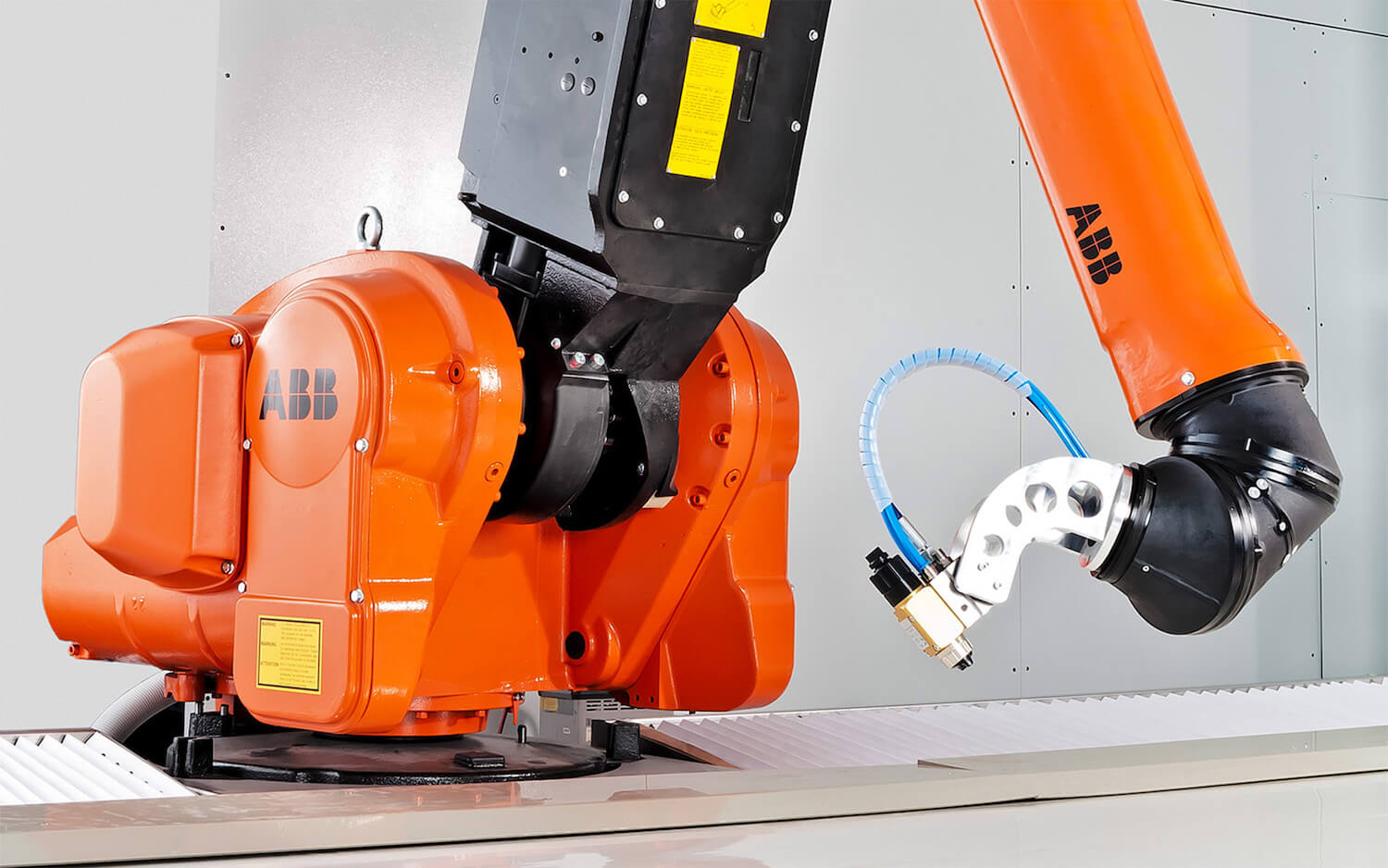
Our VEN ROBOT industrial robots perform automated motion sequences within modern system lines and ensure reproducible, stable processes. They can be flexibly integrated into existing production environments, support precise application and handling tasks and enable consistent quality even with varying workpiece types. Thanks to their modular design, they serve as reliable building blocks for the expansion or modernisation of existing systems.
Explore industrial robots

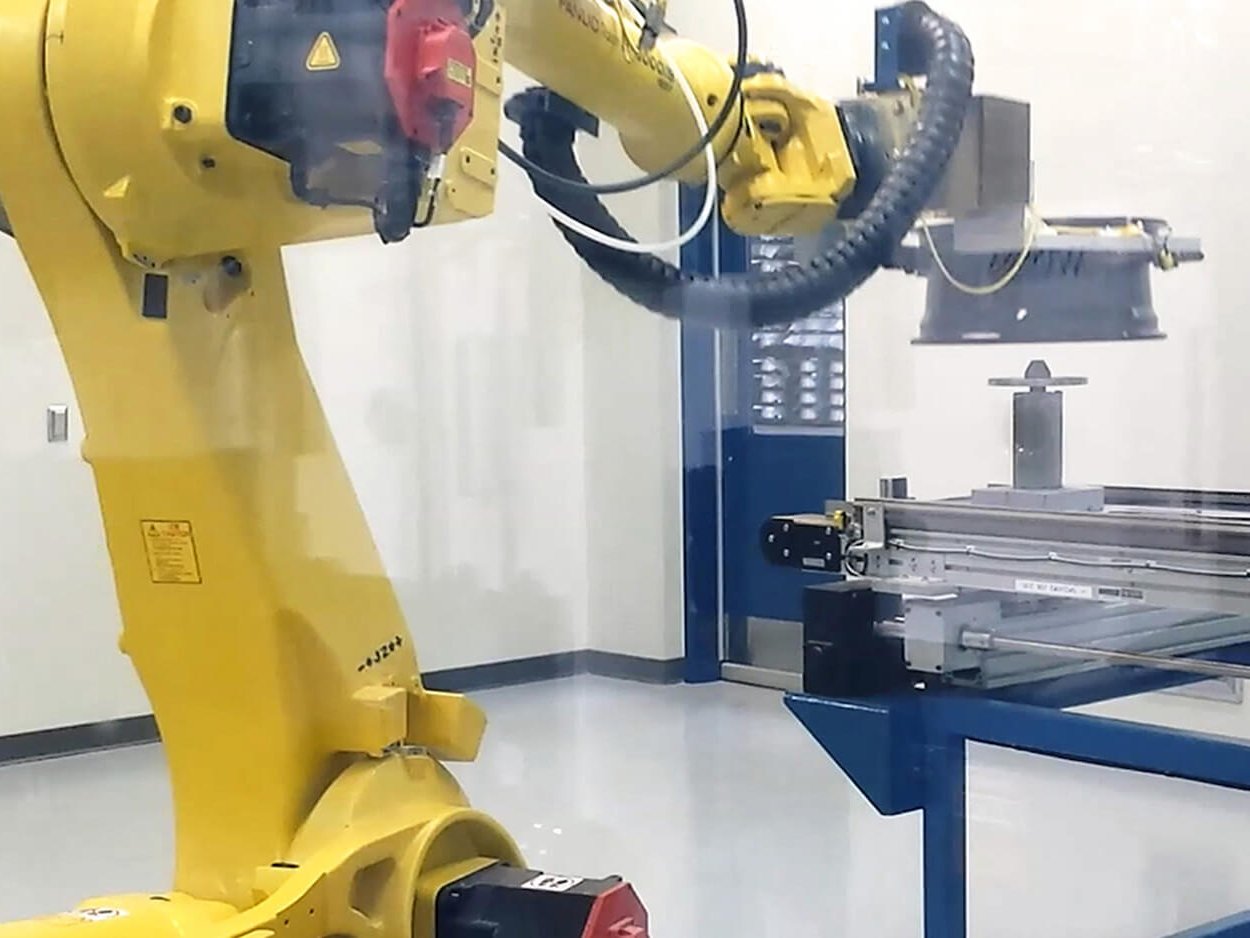
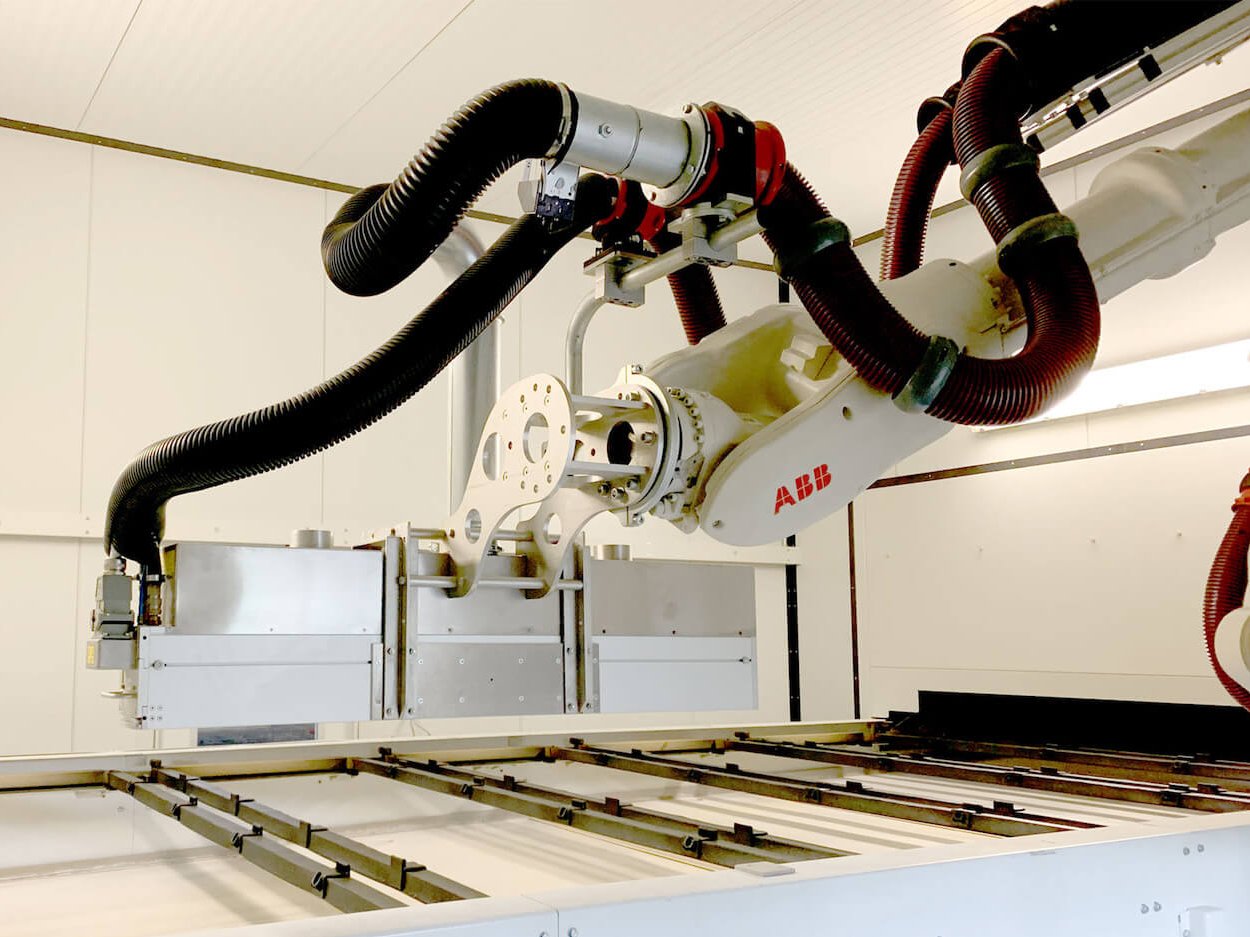
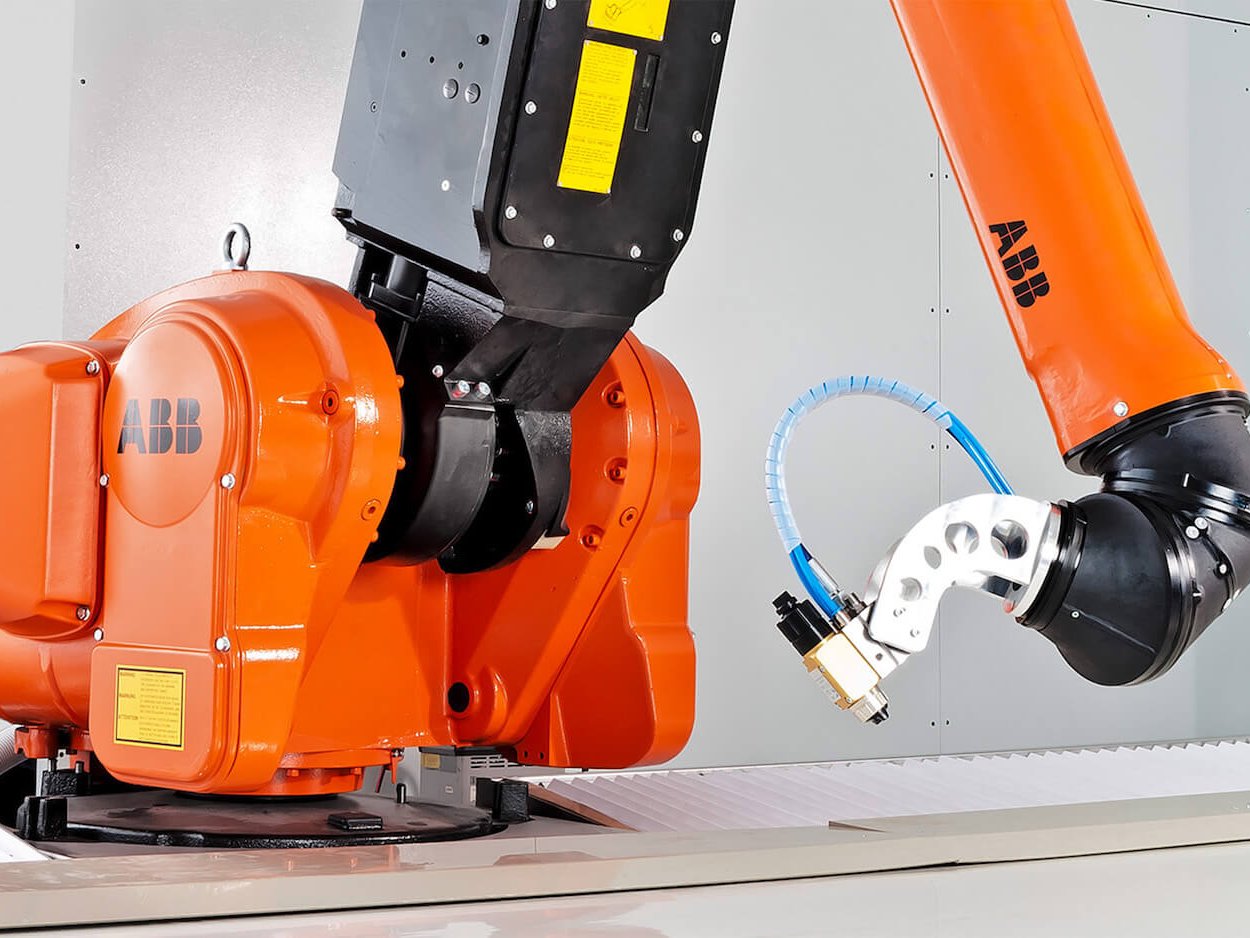
Industrial robotics automation increases process quality, stabilises production and creates flexibility for changing requirements. Industrial robotics automation facilitates planning, improves machine utilisation and makes production steps easier to control. Venjakob industrial robotics thus supports the entire value chain.


Industries and materials for industrial robotics
Use of robotics for a wide range of workpieces in coating technology
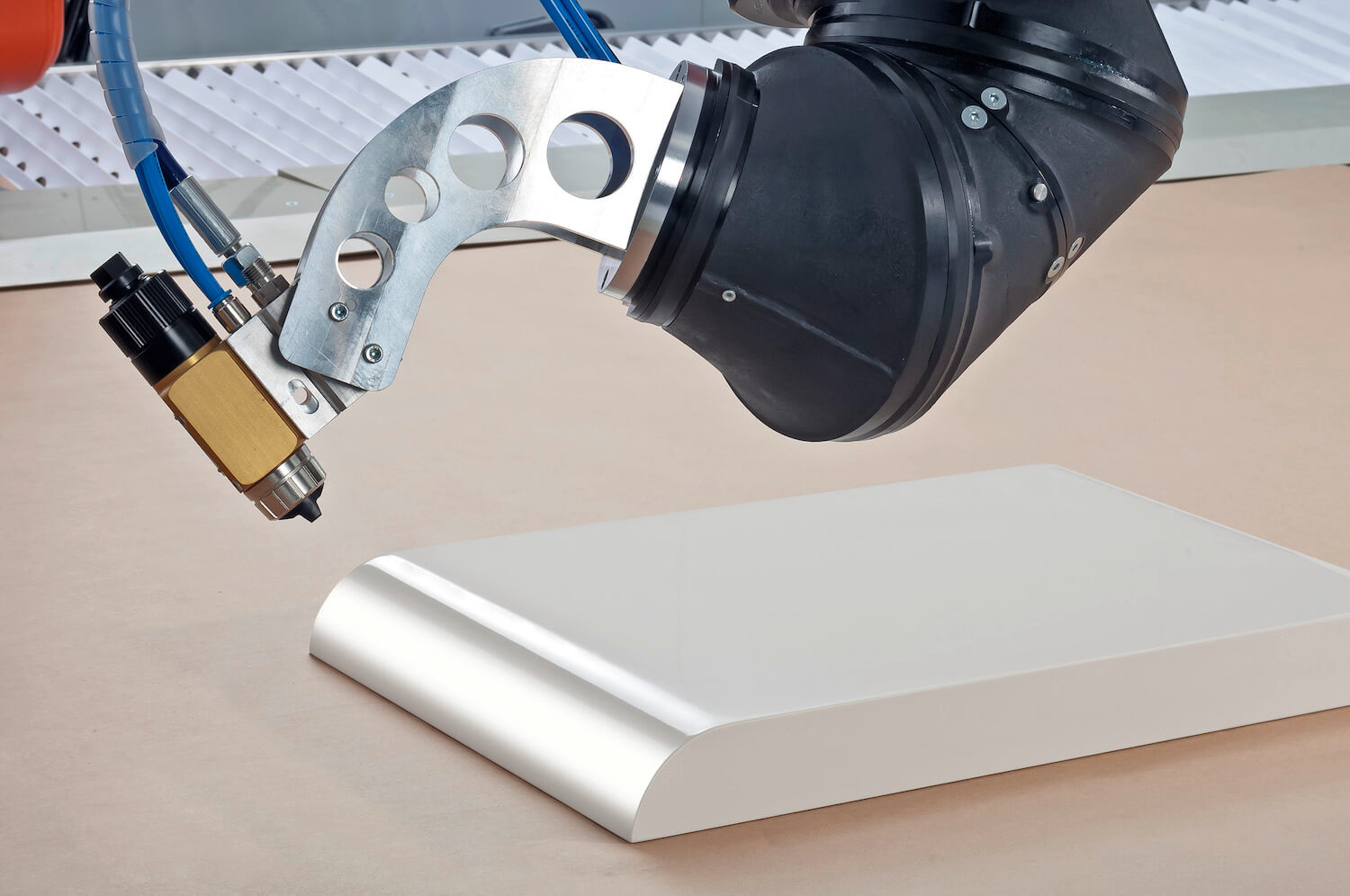
Robot-assisted production is suitable for industries in which high quality requirements and varying workpiece geometries are part of everyday life. Thanks to their flexibility, robots are used in numerous industries where repeatable movements and uniform surfaces are crucial. The following examples show typical applications in our target industries.
Wood and furniture industry
For doors, fronts and profiles, robots ensure reproducible quality and consistent coating or handling processes.
Automotive industry
Interior components and functional parts benefit from precise application movements and controlled transfers.
Aviation and aviation
Even complex lightweight components can be reliably guided without jeopardising the surface integrity.
Building materials / building elements
Frames, panels and components are reliably guided and evenly processed, even at high cycle rates.
Glass industry
Sensitive or structured glass surfaces are given a uniform quality through constant spacing.
Plastics industry
Visible and structured parts are reproducibly guided, coated or dried.
Metals industry
Controlled robot movements ensure consistent results on metals workpieces.
Industrial robotics tasks
Industrial robotics at Venjakob supports three clearly defined process areas within the production line: Coating, material handling and drying. Each area has specific requirements in terms of movement, positioning and process reliability. The following overview shows which tasks automation takes on in these processes and what benefits it achieves in interaction with Venjakob system technology.
Industrial robotics for automation in the process chain
In the Venjakob process chain, industrial robotics take on central tasks from material handling to coating and drying. Robots position workpieces precisely, control web-accurate applications and reliably transfer components to downstream modules. Integration into transport and process monitoring creates a harmonised material flow with clear parameters. This allows production processes to be efficiently networked and reliably planned.
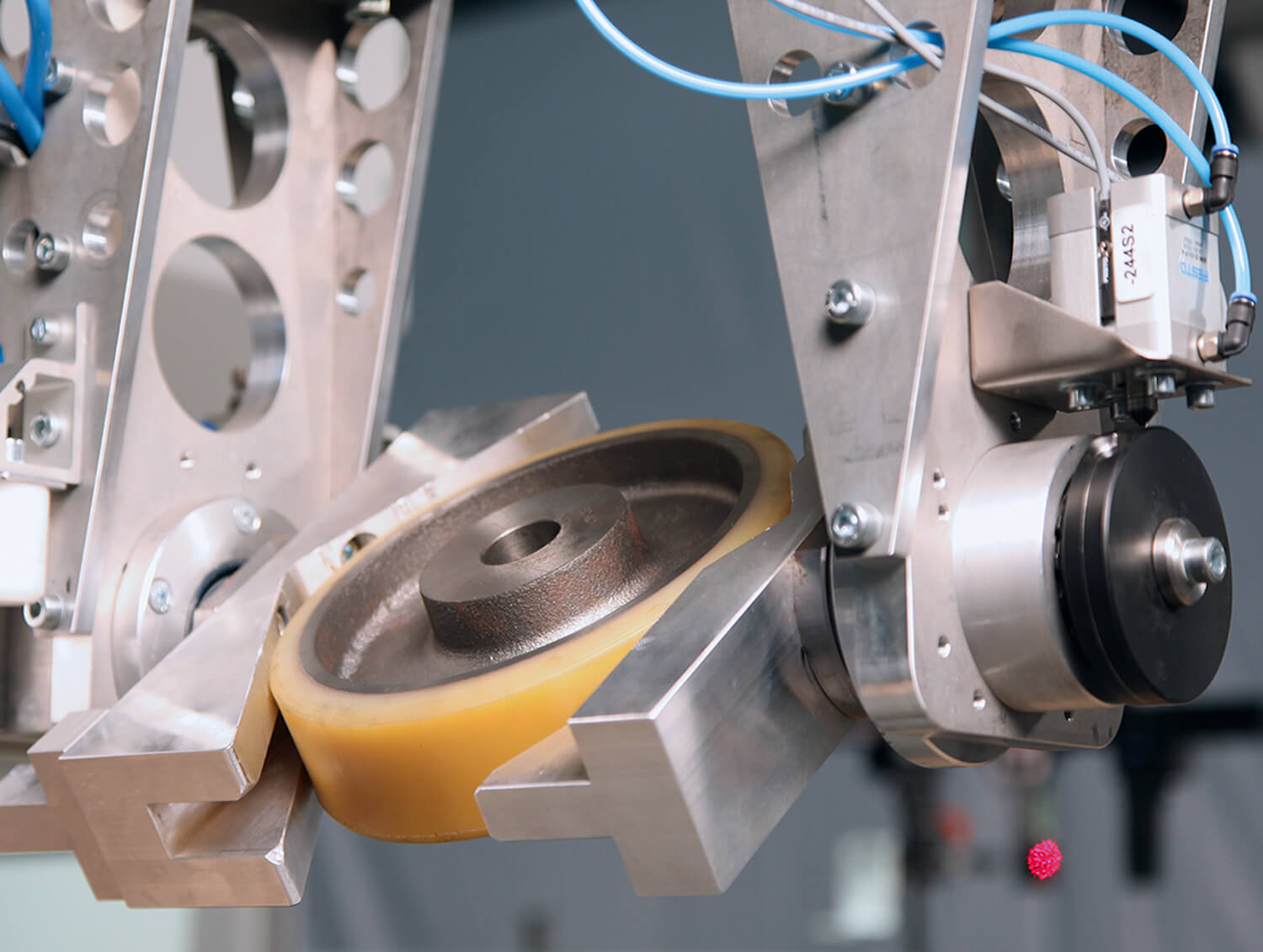


Industrial robotics supports energy-efficient production processes and reduces waste through precise, controlled movements. Resources are utilised in a targeted manner, while manual, high-risk activities are eliminated. In combination with energy-efficient dry coating technology, sustainable and safe production processes are created.
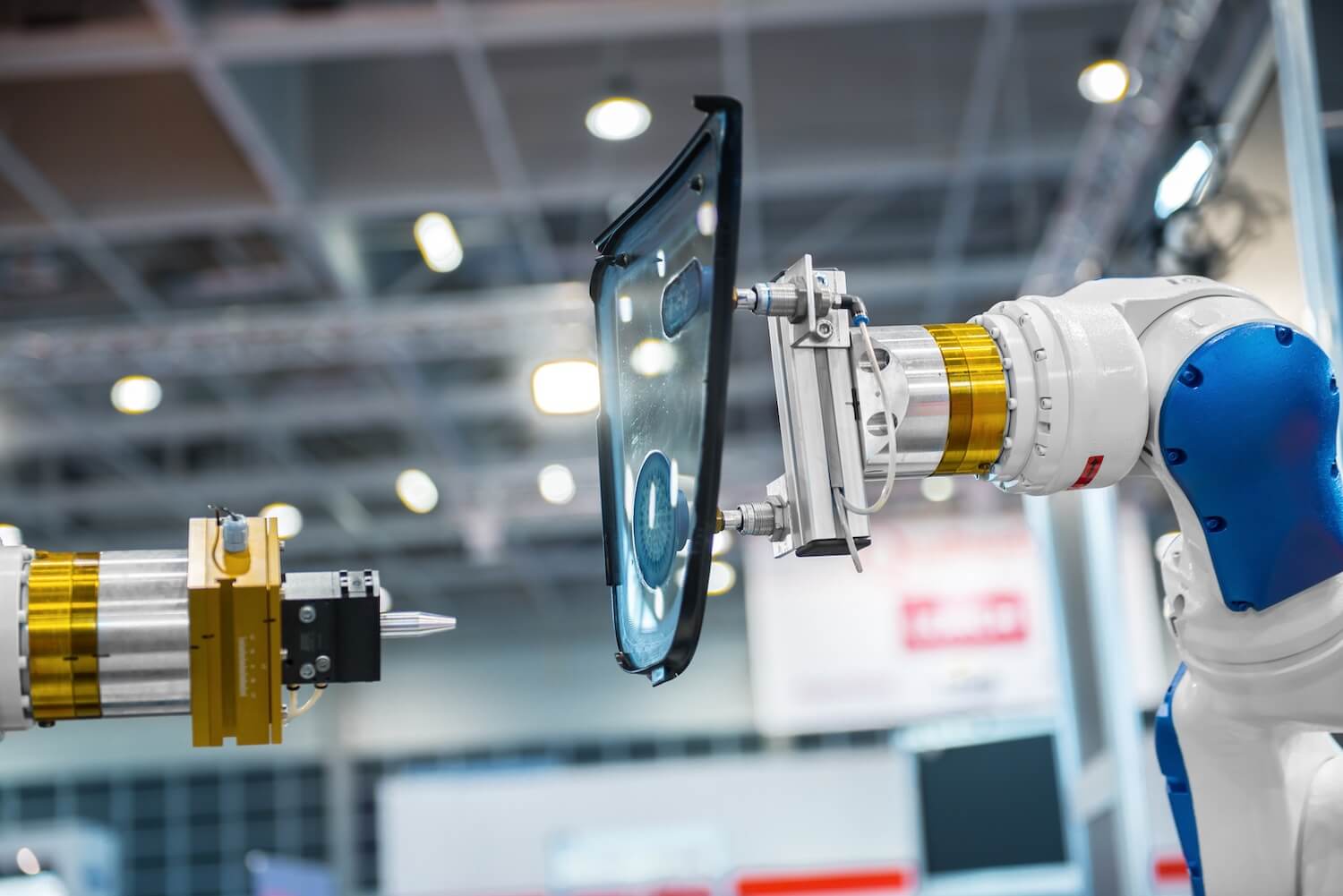
Future trends in industrial robotics
Modern robotic systems are developing towards greater flexibility and more intelligent motion control. Adaptive control systems react more precisely to different workpiece geometries and improve efficiency in the coating and drying process.
Increasing networking with sensor-based solutions enables more precise parameters and more stable processes. This creates a production environment that adapts more quickly to new requirements and at the same time offers greater transparency in all process steps.
We are happy to advise you
Would you like to find out more about our systems, processes or solutions - or do you already have a specific project in mind? Our contacts are on hand to provide you with expert advice, technical expertise and many years of experience.

Gert große Deters
Business Unit Manager for General Industry & Automotive
Telephone: +49 5242 9603-184E-mail: ed.bokajnev@sretedessorg.treg

Christian Streit
Head of Wood | Building Materials Division
Telephone: +49 5242 9603-162E-mail: ed.bokajnev@tierts.naitsirhc


